
Hi, I'm Alex.
I automate the boring parts of running a business.
Maybe your team copies orders from emails into Excel.
Maybe someone spends every morning working out who should do which job.
Maybe customers keep WhatsApping for updates.
Maybe there's one spreadsheet nobody is allowed to break.
That's the kind of stuff I like fixing.
I build the first version for free. You use it for 30 days. Then you decide.
What are you still doing manually?
Don't write a requirements document.
Just explain what happens today.
A few things I've built before
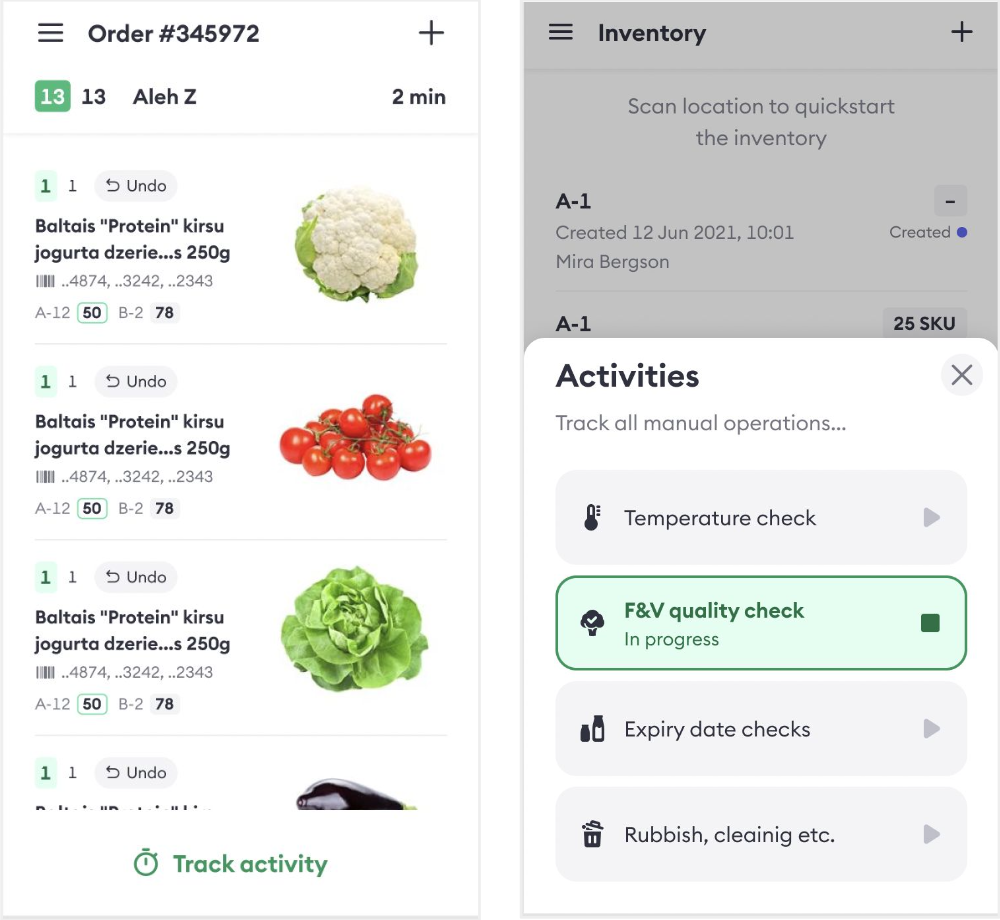
40% lower
store operating costs
Bolt · grocery delivery ↗Warehouse, purchasing, forecasting and picking software.
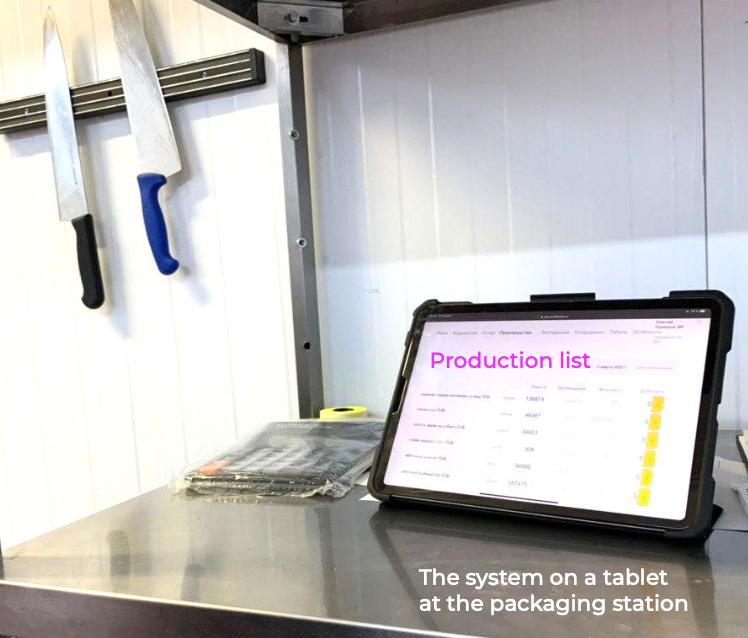
60% → 90%
order fulfilment
Local Kitchen · food production ↗ERP across procurement, production, warehousing and delivery.
more on linkedin ↗
The offer
Free to build. 30 days to decide.
free to build.
i build the first working version myself, at my cost. no proposal or discovery invoice.
30 days to decide.
your team uses it on real work. if it saves time, we agree a fair monthly price. if not, you walk away.
built around your workflow.
not bloated software designed for a company ten times your size. something narrow that changes when your process changes.
Here's the kind of thing I mean.
Currently
- Customer emails a job
- Someone reads the email
- Copies it into Excel
- Messages Dave on WhatsApp
- Dave calls another employee
- Someone updates another sheet
- Customer calls asking for an update
nobody designed this. it just happened.
Things that immediately get my attention:
- “We copy that into Excel.”
- “Just WhatsApp Sarah.”
- “John usually knows who to send.”
- “We do that report every Friday.”
- “The software doesn't do that, so we made another spreadsheet.”
- “Someone has to check every PDF.”
- “Customers keep calling us for updates.”
- “Only one person really knows how this works.”
- “We enter the same thing twice.”
- “It's manual, but we've always done it that way.”
Recognise anything? Good.
What could this look like?
Jobs
request→quote→schedule→assign→complete→invoice
Orders
email / PDF / WhatsApp→captured→tracked→fulfilled
Staff
availability→scheduling→reminders→updates
Customers
booking→confirmation→reminders→status updates
Documents
PDFs / forms / photos→information extracted automatically
Reporting
operational data→automatic weekly report
Stock
incoming goods→inventory→alerts→replenishment
Internal tools
replace the spreadsheet that has slowly become your company's operating system
Usually I don't know what you need until you show me how you work.
You don't need to be a tech company.
Some of the best things to automate are inside ordinary businesses.
Don't see your industry? That's fine.
If your business has people, jobs, orders, stock, vehicles, customers or paperwork to coordinate, there's probably something worth looking at.
Start small.
1 — Show me
Screenshare the spreadsheet.
Forward the PDF.
Show me the WhatsApp group.
Explain what happens on a normal Tuesday.
2 — I'll build something
If the problem is a good fit, I'll create a simple working version.
Not a PowerPoint.
Something you can actually use.
3 — Try it
Use it for up to 30 days.
If it's genuinely useful, keep it.
If it isn't, don't.
No giant IT project required.
I've been doing versions of this for about 10 years.
Before Alex Automates, I spent 10+ years building products around real-world operations — warehouses, drivers, customer service teams, food production, fleets, marketplaces and sales.
Bolt
GROCERY DELIVERY · LOGISTICS
Warehouse management, purchasing, forecasting and picking software.
40% lower store operating costs
Yandex
RIDE-HAILING · CUSTOMER OPERATIONS
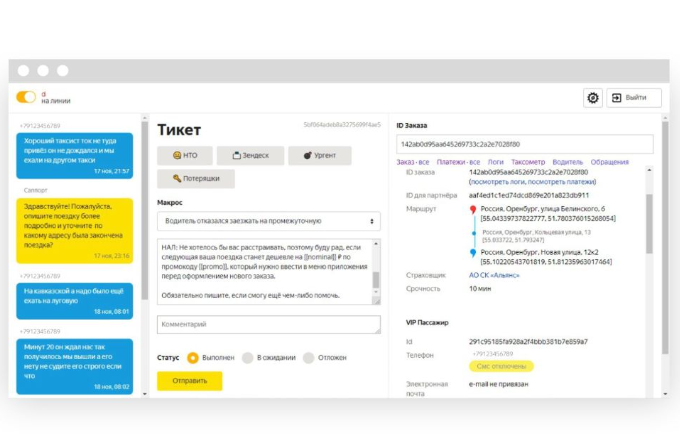
Built customer support software and automation.
30% lower support costs
Local Kitchen
FOOD PRODUCTION · LOGISTICS
Built an ERP across procurement, production, warehousing and delivery.
60% → 90% fulfilment
These are companies I previously worked with — not Alex Automates customers.

A little about me.
I've spent most of my career somewhere between software and operations.
Warehouses. Drivers. Support teams. Procurement. Production. Sales. Logistics.
The interesting problems were rarely about making another screen.
They were usually about someone doing something manually because the software didn't quite fit how the business actually worked.
Modern development tools mean I can now build those missing pieces dramatically faster.
So that's what I'm doing.
find annoying process → make computer do it
Alex on LinkedInalex@loopa.linkYou probably already know the process I'd want to see.
It's the thing everyone complains about.
The spreadsheet nobody wants to touch.
The report someone loses half a Friday to.
The admin task that only one employee really understands.
The thing that makes you think:
“Surely a computer could do this.”
It takes about 3 minutes. You'll get an automation brief before I ask for your details.